Red light therapy can support dopamine balance by supporting mitochondrial energy in dopamine-related pathways. Use 660 nm at ≈5 J/cm², 4–7×/week. Morning use enhances focus; evening sessions should be gentle to preserve sleep.
We’ve spent years studying how light influences the brain, not just the skin.
What started in a garage as a curiosity about healing has turned into our life’s work, helping people use precision-engineered red light to feel sharper, calmer, and more alive.
- Red light therapy can support dopamine balance by improving cellular energy in brain and retinal pathways.
- Wavelength matters: 660 nm red and 830–940 nm near-infrared reach the regions tied to motivation, focus, and mood.
- Morning sessions often lift drive and attention; evening use should be shorter and gentler to protect sleep.
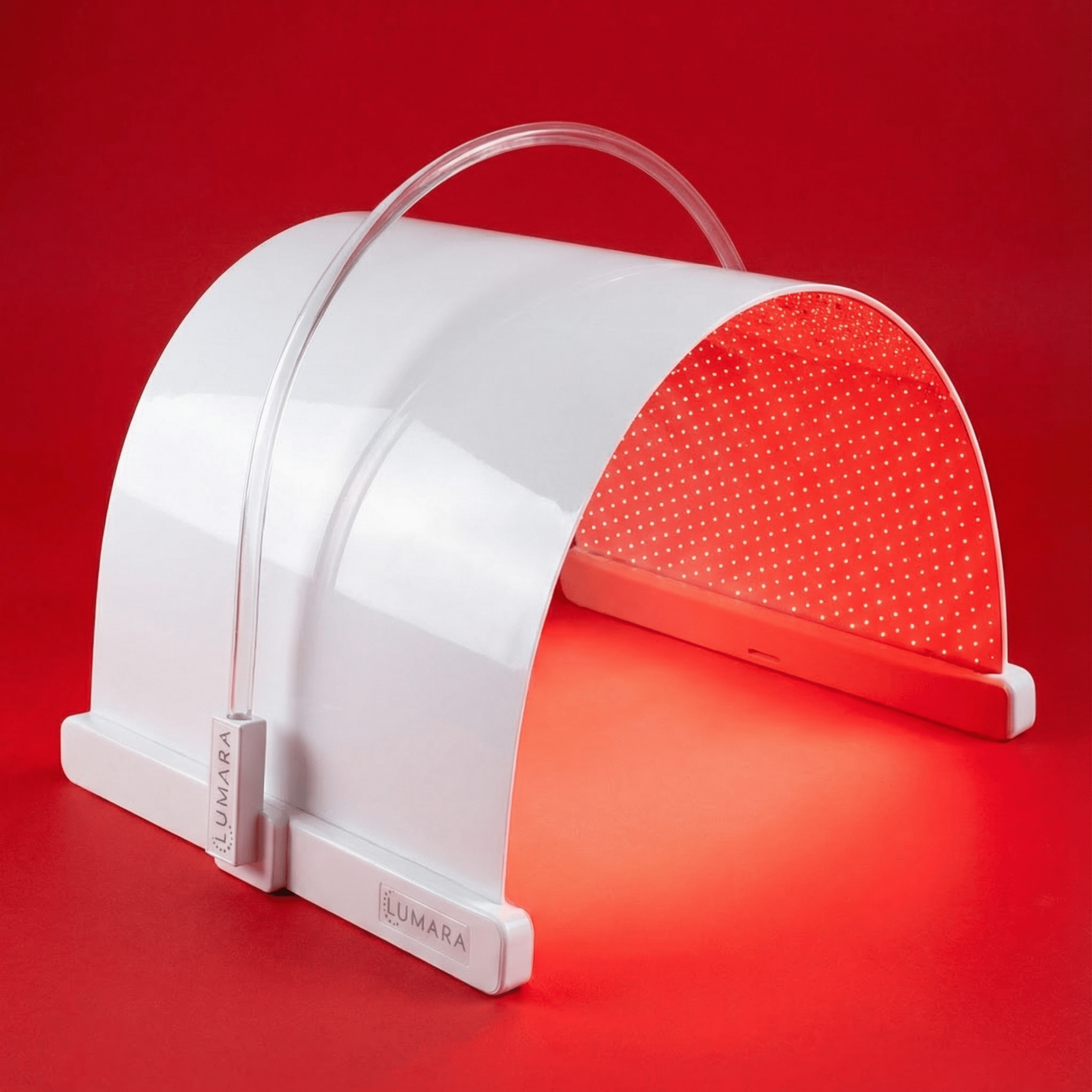
If you’re exploring a science-driven way to boost mood, energy, and focus without stimulants, our Illuminate Red Panel delivers a therapeutic 5 J/cm² dose in about five minutes, engineered with 6 mm LED spacing for full, even coverage.
It’s the same performance standard used by professionals, now available for daily home use.
If you’re simply curious, keep reading. We’ll unpack how red light interacts with dopamine step by step, the wavelengths, the timing, and the real biology behind why it works.
How Light Affects Dopamine
- Mitochondria respond. Inside each cell, red light stimulates cytochrome c oxidase, boosting ATP (cellular energy).
- Neurons fire more efficiently. Dopaminergic cells use this added energy to synthesize and release dopamine.
- Balance is restored. As dopamine increases, melatonin production naturally decreases, keeping alertness and circadian rhythm in sync.
- Mood follows chemistry. Users often notice more motivation, better concentration, and less fatigue after regular sessions.
What makes this process fascinating is how noninvasive it is, no pills, no side effects, just controlled light guiding your biology back to rhythm.
Why Wavelength and Dose Matter
Not all light is equal. The therapeutic window for dopamine modulation falls mainly between 630 nm and 670 nm.
Too little energy won’t trigger mitochondrial activation. The sweet spot is around 5 J/cm² per treatment area, delivered over roughly five minutes.
Cheap or poorly spaced LEDs often scatter output unevenly, leaving “cold zones” where energy drops below therapeutic levels. We solved that with 6 mm LED spacing, ensuring every square inch receives consistent energy.
The Circadian Connection: Timing Your Light
Dopamine and melatonin move in opposite directions throughout the day. Morning light triggers dopamine, setting the brain’s pace for focus and motivation. Evening darkness lets melatonin take over to promote rest.
Using red light therapy within this natural rhythm amplifies its effect:
- Morning use boosts energy, focus, and drive.
- Afternoon sessions stabilize mood without disrupting sleep.
- Evening sessions should be short, low-intensity, and never within three hours of bedtime for those sensitive to light.
From Mood to Movement: Real Outcomes

When dopamine rises in a balanced way, its effects ripple far beyond emotion. Users frequently report:
- Steadier focus and drive.
- Faster recovery from mental fatigue.
- Improved sleep onset and quality.
- Noticeable improvement in mood and motivation.
Clinical trials echo these outcomes. In Parkinson’s studies, light therapy improved both motor and non-motor symptoms, showing that dopaminergic neurons aren’t just supported but protected by consistent light exposure.
The Right Way to Use Red Light for Dopamine Support
Step 1: Choose the right wavelength (660 nm or 830–940 nm).
Step 2: Keep your distance steady (6–12 inches).
Step 3: Time sessions intentionally, mornings for focus, midday for stability.
Step 4: Track results for two weeks and adjust.
This structure aligns dopamine cycles naturally, without overstimulation or fatigue.
Balancing Safety and Performance
Red light therapy operates in a non-ionizing range, meaning it can’t damage DNA or tissue when used correctly.
Guidelines:
- Protect eyes during high-irradiance sessions.
- Mild warmth is ideal; discomfort means you’re too close.
- Avoid session stacking, more light isn’t better.
We classify red light as low-risk general wellness, supported by FDA clearance and real-world testing.
Device Quality: The Difference Between Science and Gimmick
Most budget LEDs barely reach the energy density required for dopamine pathways. A clinical-grade device provides:
- Published wavelength and irradiance data.
- Uniform LED spacing.
- Fast 5 J/cm² delivery.
- Stable heat management.
Our Illuminate Red Panel delivers 5 J/cm² in ≈ 5 minutes with 6 mm spacing, no hot spots, no dead zones.

The Dopamine–Melatonin Balance
Every day, your body performs a delicate chemical dance between alertness and rest. Dopamine and melatonin are the two main partners. When one rises, the other falls.
Morning sunlight naturally tips the scale toward dopamine, while evening darkness invites melatonin to take over.
Red light therapy mirrors this process, but with more control.
- Morning exposure to 660 nm light helps spark dopamine-driven alertness, energy, and motivation.
- Evening exposure to gentler, shorter sessions can calm the nervous system without completely suppressing melatonin.
- Consistency keeps these cycles predictable, stabilizing both mood and sleep.
This rhythm is why so many users report “mental clarity by day, deeper sleep by night.” It’s not magic, it’s the body’s chemistry falling back into sync.
The Role of Circulation and Warmth

When red light gently warms tissue, blood flow improves, oxygen levels rise, and dopamine neurons get the fuel they need.
Cold skin or poor circulation can blunt the light’s effect. That’s why we advise using therapy in a comfortable environment, allowing the warmth to build naturally.
It’s also why our panels are calibrated to deliver heat evenly, not in hot spots.
Good circulation does more than deliver nutrients, it’s how light energy becomes chemical energy. Each pulse of oxygen-rich blood helps convert that illumination into ATP, the cellular fuel that powers dopamine production.
The Emotional Payoff of Dopamine Stability
Red light therapy doesn’t flood the brain with artificial highs. It rebuilds the foundation for stable motivation, the kind that feels sustainable.
When dopamine normalizes, three shifts tend to happen:
- Emotional balance: less irritability, smoother mood transitions.
- Drive without burnout: energy rises without jitteriness or crash.
- Focus that feels natural: attention sharpens as brain fog clears.
These changes echo what researchers see in photobiomodulation studies: increased dopamine receptor sensitivity, reduced oxidative stress, and better overall emotional regulation.
People often tell us it’s not that they suddenly have “more” dopamine, it’s that they finally feel in rhythm again.
Step-by-Step Routine for Dopamine Support

1. Morning Activation (Focus & Drive)
- Stand or sit 6–12 inches from your red light panel.
- Target face or chest for 5–8 minutes.
- Keep eyes relaxed but protected if brightness feels strong.
2. Midday Recharge (Mood Stability)
- Short 5 minute session focusing on torso or neck.
- Avoid high intensity if already alert; moderate irradiance is best.
3. Evening Recovery (Calm Energy)
- Optional 3–5 minutes on lower body or back.
- Finish at least 3 hours before sleep.
- Helps reduce muscle tension while maintaining neurotransmitter balance.
Track results for two weeks, sleep depth, focus duration, and energy consistency. You’re not chasing a single dramatic change; you’re retraining your nervous system’s timing through steady light cues.
Tailoring Protocols to Different Goals
Every person’s dopamine rhythm looks a little different, so session structure should reflect what you’re optimizing for:
For focus and motivation
- Use 660 nm red light within 30 minutes of waking.
- 5–8 minutes directed at face or chest, eyes relaxed or gently closed.
- Pair with hydration and movement for amplified results.
For mood balance and emotional steadiness
- Midday sessions, around your natural energy dip, help smooth dopamine fluctuations.
- Keep sessions under 10 minutes. Consistency beats intensity.
For recovery and neuroprotection
- Add near-infrared exposure (830–940 nm) to support deep tissue and neuronal repair.
- 10–15 minutes, focusing on back of neck or upper spine where dopaminergic pathways cluster.
Over time, you’ll notice you no longer “need” light for energy, it becomes a rhythm, not a stimulant.
Measuring Progress the Right Way
The best indicators build gradually:
- Day 3–7: More alert mornings, shorter “lag time” after waking.
- Week 2–3: Sharper focus, steadier mood mid-afternoon.
- Month 1–2: Noticeable difference in sleep onset and depth.
- Month 3+: Mental clarity that feels automatic, dopamine rhythms restored.
We recommend journaling session time, duration, and perceived focus/mood scores daily for the first month. Small data points add up to clear insight into how your biology is responding.
How Dopamine Balance Feels in Daily Life
When the brain isn’t constantly chasing stimulation, you feel the difference. Mornings start clearer. Work flows without mental clutter. Even small challenges feel easier to tackle.
Our users often describe three recurring themes:
- Confidence: “I feel steady again, focused without pushing.”
- Resilience: “Stress doesn’t knock me off course like before.”
- Motivation: “Tasks don’t drain me; they pull me forward.”
That’s the essence of balanced dopamine: it makes you consistent.
This is what we care most about creating at Lumara: not just results under lab lights, but a lived sense of stability that carries through your day.
Choosing the Right Lumara Device

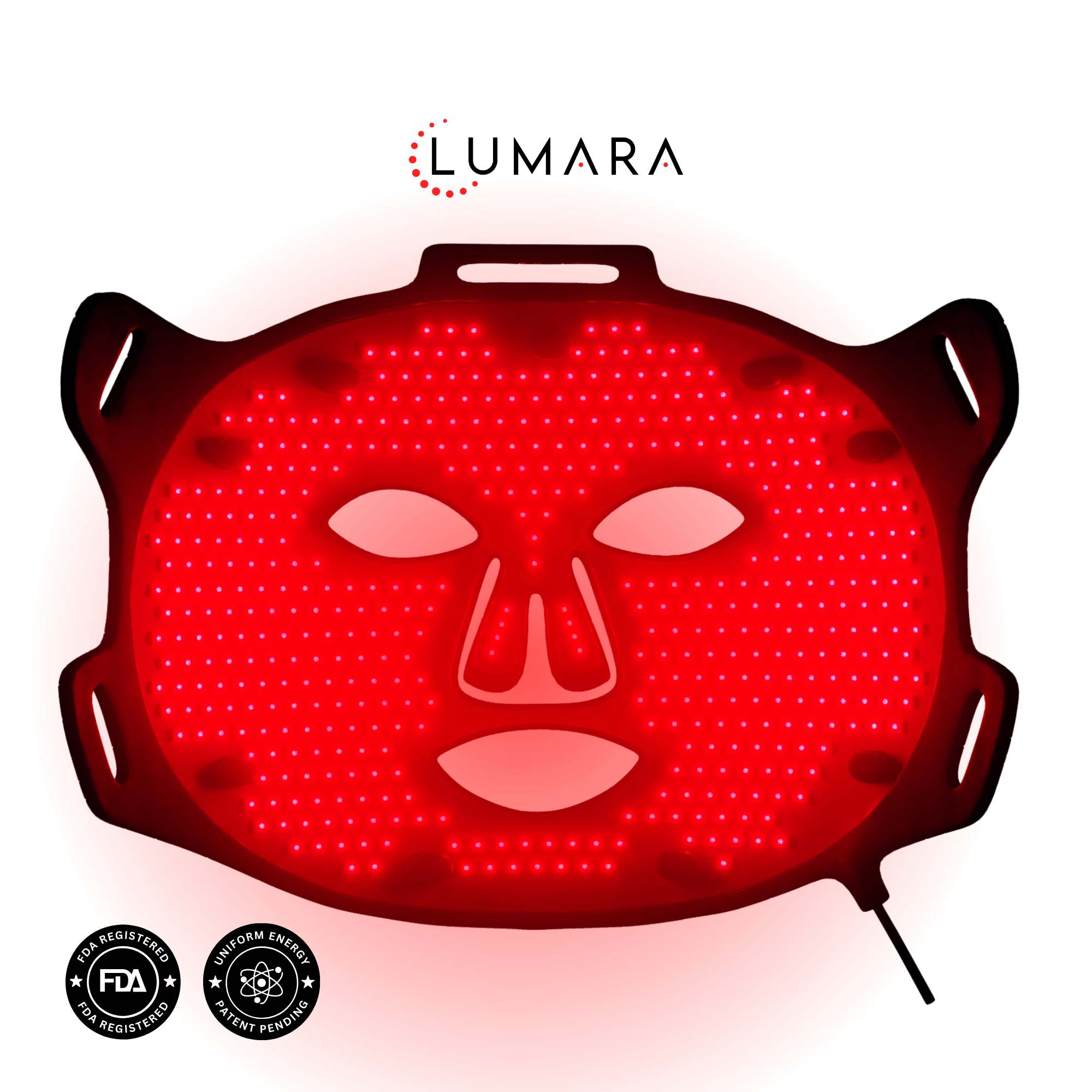
- VISO Mask (660 nm): Facial rejuvenation and balanced mood.
- Illuminate Red Panel (660 nm): Full-body uniform coverage; 5 J/cm² in 5 min.
- Lumara Pad (635, 830, 940 nm): Flexible pad for deep tissue and muscle recovery.
Each is engineered for measurable output and lasting reliability.
Bringing It All Together
From the first prototype to today’s Illuminate line, our mission stays the same: make clinical light accessible, precise, and trustworthy.
Every panel is tuned for measured performance. If you want sharper focus, steadier mood, and sleep that feels earned, start small: five minutes a day, consistently. The body does the rest.
Explore the Illuminate Red Panel or VISO Mask, engineered to deliver the science of dopamine balance safely at home.
At Lumara Systems, every device is built for clinical accuracy and real-world clarity. The right light doesn’t just brighten your skin, it brightens your mind.

Share:
Red Light Therapy for Adrenal Fatigue: Complete Guide
Red Light Therapy for Athlete’s Foot: Clear Protocol